
I enjoyed the opening act of Hope for the same reason I loved Zach Cregger’s recent take on Resident Evil. We’re introduced to everyday, generally incompetent characters who, when faced with terrifying monstrosities, find themselves ill-prepared but willing to put up a fight. Both feature moments of slapstick comedy and dark humour; both could be described as roller coaster viewing experiences that hit the ground running and don’t let up. But whereas Cregger’s ride lasts for 90 minutes, Hope still has an hour to play out at the same point.
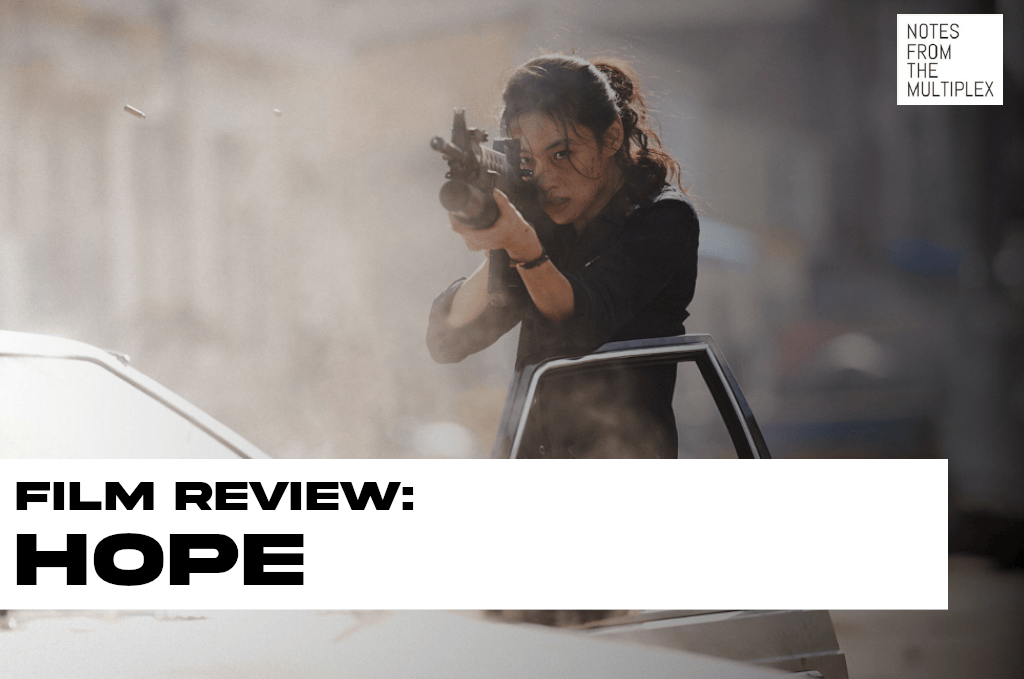
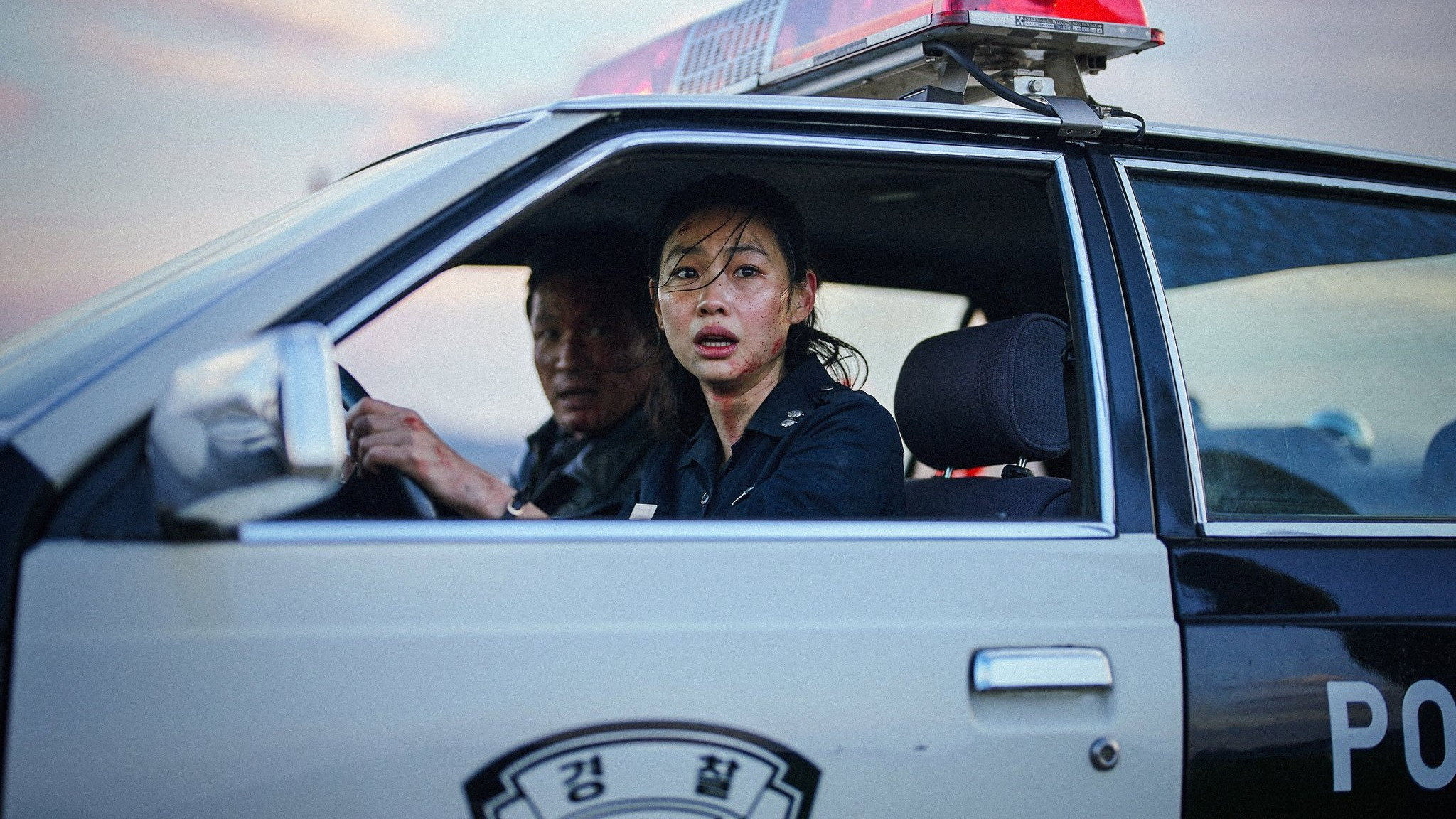
The general premise of Hope is simple. In a rural South Korean town, all hell breaks loose when a gigantic humanoid alien lays waste to its surroundings. Is the creature hunting humans? Is it searching for something else? The opening hour plays out as one extended action sequence as a collection of characters – police officers, local farmers and other townsfolk – play catch-up with an unknown but devastatingly violent force. Taking its cue from classic creature-features like Jaws or Alien, director Na Hong-jin keeps the alien off-screen for the majority of this first act, with snippets of the being glimpsed only in hazy long shots. Hong Kyung-pyo’s cinematography is kinetic but polished; chasing characters and cars through the devastated streets, the wide-angle lens, held just below waist height, imbues the action with the kind of grandiosity favoured by Iñárritu in Digger or The Revenant.This feels like filmmaking on an epic scale. The image is constructed to be viewed on the big screen, with us in the audience very much forced to look up at the film’s unfolding spectacle.
This first hour is one hell of a ride, but the moment Hope shows its hand and reveals the alien, we realise that all of its previous dynamism and edge-of-your-seat bravado was built upon a poorly rendered house of cards. It feels somewhat unfair to lay into a film because of its VFX, but when a film like Hope is very much predicated upon the efficacy of its visual effects, it is all but impossible to maintain our suspension of disbelief when they fall short. The rampaging monsters, chasing our heroes down rural highways and busy streets, feel weightless and poorly incorporated; the animation of their movement is too awkward, too jagged. The compositing of the creatures within the world feels a few rendering passes away from the finished product, as if we’re watching a work-in-progress cut rather than the final cut. What makes their shortcomings all the more apparent is the comparative scale and polish of everything else on screen: the detailed on-location sets, riveting stunt work and precisely orchestrated cinematography set our expectations for a different level of accomplishment. Whilst Hope‘s estimated $45 million budget is on the lower end of the scale for sci-fi genre exercises, similarly priced efforts like 65, Annihilation or Anaconda demonstrate what can be achieved at this level.
Equally, if you’re playing fast and loose with what you can get away with in your VFX – don’t allow them to take up so much screen time! The hide-and-seek tease of the opening act gives way to an overzealous parade of close-ups, action shots and interactions in which the aliens are given centre stage. It is in these moments that you begin to wonder if the shoddiness of the VFX work is deliberate – is this satire or parody perhaps? Why am I looking at what looks like test assets for an unreleased Unreal Engine 3 shooter from 2003?
From the hour mark onward, Hope becomes something of a slog, with its remaining 90 minutes of bizarre glup shittos, unclear lore drops and increasingly repetitive action sequences undoing much of the good work its actors, stunt performers and cinematographer have already done.