Like my post on the Top 10 English language films of 2014, I have compiled this list from films which were released for the first time in the UK this year, even if they had been released earlier elsewhere beforehand. I have also decided to omit a few films which would have otherwise made it to my Top 10, being films screened at the BFI London Film Festival which have not yet had an actual theatrical release in the UK. Frustratingly, this means omitting films like A Girl Walks Home Alone At Night and Black Souls (Anime Nere). The list as it stands, however, marks a strong collection of interesting and original pieces of world cinema, and should definitely be seen by those who have not yet had the chance to catch up on what has been a great year for cinema.
10. In Bloom

In Bloom is a quiet, but beautifully crafted tale of two young women, their friendship and the challenges they face in early 1990s Georgia in the midst of a civil war. At its heart, the film is a coming of age story, but one very unlike the hazy summer escapism of its pop soundtrack American counterparts. This is a story about the transition from childhood into adolescence in a setting plagued by violence and social division, and importantly, a story concerned with the female perspective of such a society. Directors Nana Ekvtimishvili and Simon Groß wisely choose not to overstate the film’s violent moments, but equally, they don’t gloss over them either. Rather, the film confronts the often grim reality of each protagonist’s lives with an admirable confidence, and all without ever spilling over into didacticism or melodramatic shock tactics. A compelling snapshot of a country’s recent history and the kind of society it bred, In Bloom makes for a solid drama that effectively pairs the concerns of an individual with the concerns of a nation.
9. The Golden Dream
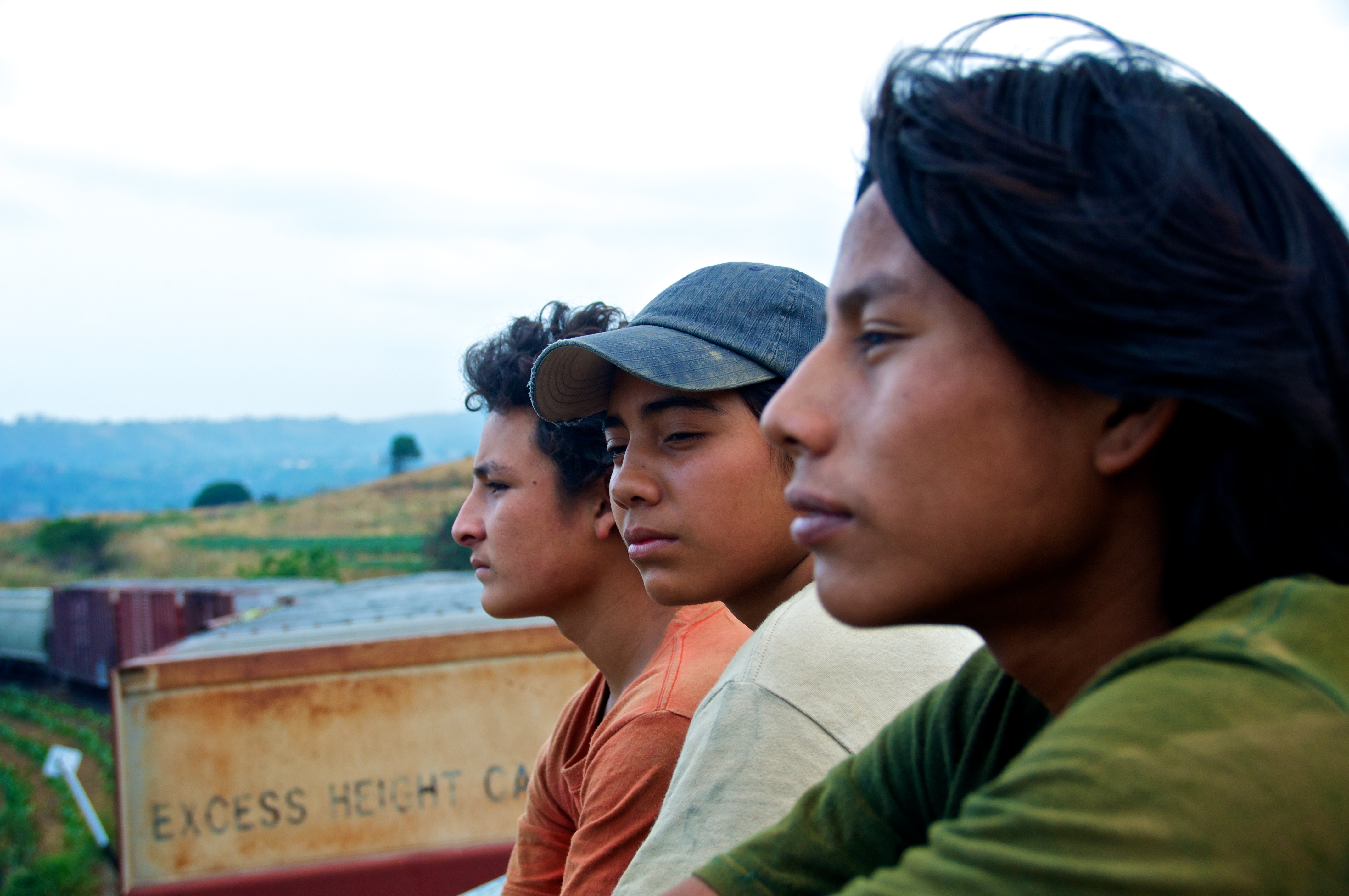
The power of The Golden Dream lies in its courage to perform a 180 degree within the narrative, leaving protagonist and audience alone in the dusty Mexican heat as they try to comprehend how the latest unexpected injustice or turn of events will affect the ultimate goal of sneaking through the border into the USA. Spanish director Diego Quemada-Diez holds no punches in his brutal rendition of a life spent believing that the grass is greener on the other side. Suffering local gangs, border patrols and the unforgiving landscape itself, The Golden Dream tracks three teens as they attempt to cross the border and attain the new lives and freedom they so desperately seek. At a time when the issue of immigration remains an ever-increasing fixture of social and political debate in the US as well as Europe, The Golden Dream’s humane treatment of the subject from the perspective of those trying to move across the borders proves as relevant as ever.
8. A Touch of Sin

Marking a definite step away from earlier works like Still Life whilst maintaining his strong element of social commentary, Jia Zhangke’s ruthless indictment of contemporary China transcends its apparent genre trappings and presents the inevitable end-point of a society and culture built upon greed and self-interest. There is no silver lining in this film, a collection of four intertwining stories, each of which culminate in a loss of life. In this respect A Touch of Sin is quite heavy-going, but a truly engaging and profound film nonetheless.
7. The Strange Colour of Your Body’s Tears

This one is better left unexplained, even if it were possible to do so. A Lynchian nightmare of fractured identity and murderous spirits, The Strange Colour of Your Body’s Tears is at once an homage to the horror genre and at the same time something completely unique.
6. Fill the Void

In Fill the Void, director Rama Burshtein and cinematographer Asaf Sudry create literal voids between the film’s central characters through the intelligent use of shallow focus, reflecting the growing disconnect between people who should be able to empathise with and understand one another. Poetic in its meditative pace and creative subtlety, Burshtein’s film, like the earlier entry In Bloom, shows a woman summoned to a familial role chosen for her by others. Whilst the context is quite different to that of the Georgian film, Fill the Void‘s engagement with gender roles within society, as well as cultural and religious traditions (being a study of Orthodox Jewish family) places both films on a similar spectrum. But there is something far more masterful at work here than the earlier entry: a calmer, more controlled nature and style of film-making which resonates more strongly as an artistic endeavour, even if its voice is little more than a haunting whisper.
5. Stations of the Cross
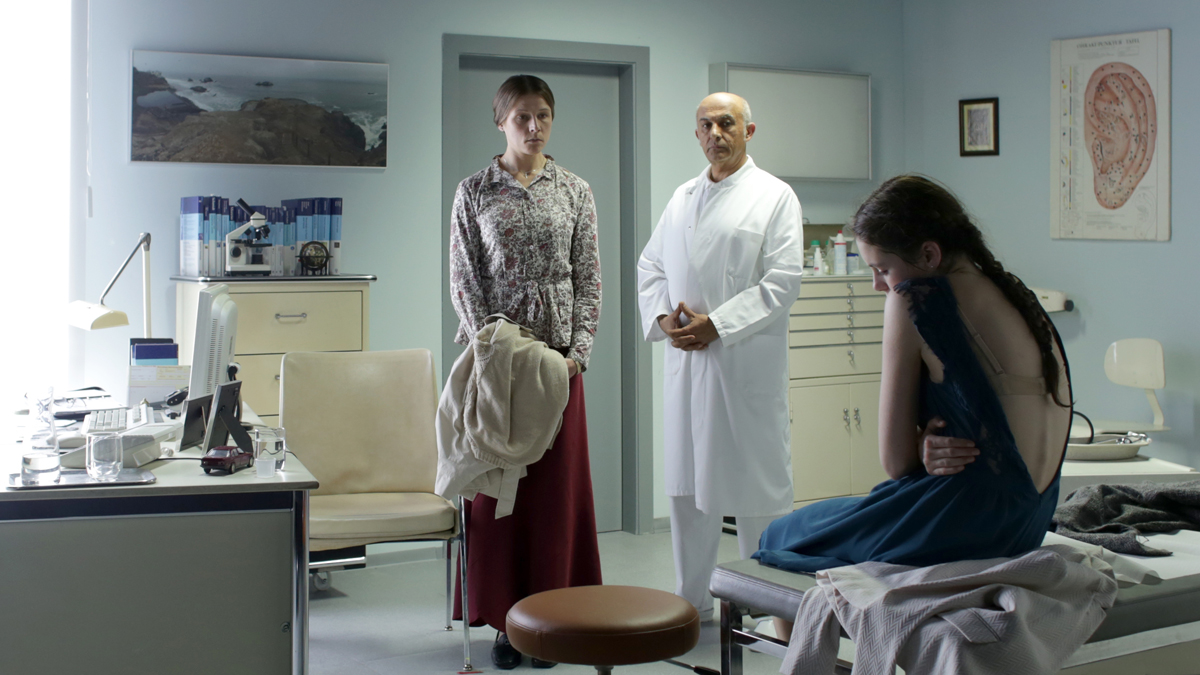
Stations of the Cross is a simple but monumentally profound exercise in cinematic formalism which imagines the life of a modern day ‘saint’: a young girl of deep religious faith named Maria. Even if some viewers feel the film demonstrably rips out the religious underpinnings which prop up the protagonist’s faith in eternal salvation, the character of Maria, as portrayed beautifully by newcomer Lea van Acken, becomes such a magnetic, enchanting force that the tragedy of the narrative elevates the character beyond the confinement of the film frame, undoubtedly prompting the audience itself to question the nature of faith, sacrifice and the relevance of religion in our world today.
4. The Wind Rises

This immaculate animated film from Japanese legend Hayao Miyazaki documents the life of Jirō Horikoshi, the aircraft engineer who designed the Mitsubishi ‘Zero’ which was used as a fighter plane by the Japanese during WWII. The film’s preoccupation with the notion of creativity and the desire for artistic perfection draws a line between Horikoshi and Mizazaki himself, who at the time of its release claimed that The Wind Rises would be his last film. If this is in fact true, it is certainly a tremendous film to go out on: a celebration of humanity’s desire and determination to see dreams realised, even if such ideas and aspirations are implemented in a manner unthinkable to the one who dreams them.
3. Winter Sleep
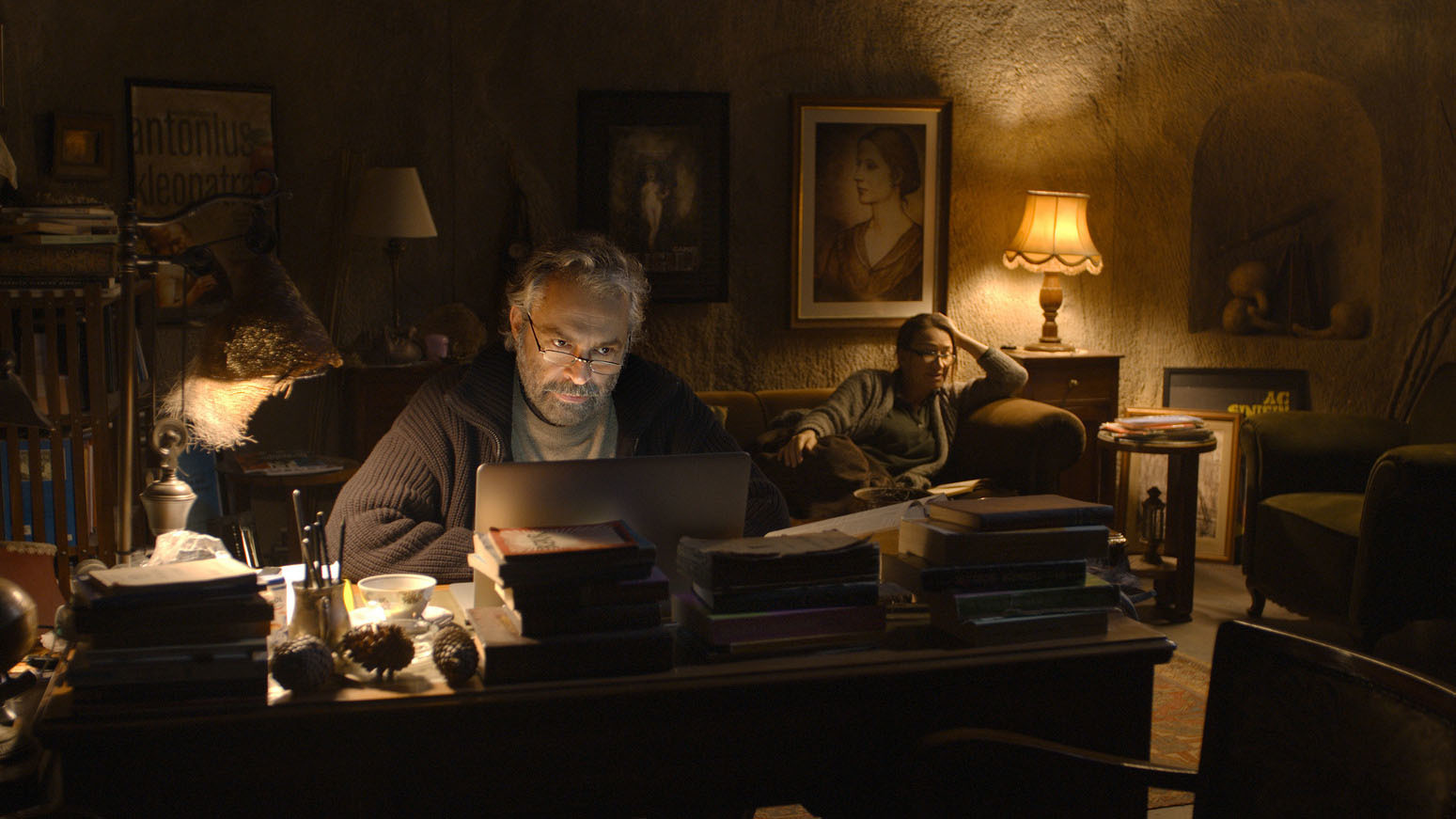
Director Nuri Bilge Ceylan outdoes himself in the tense drama Winter Sleep, a close examination of the life of an arrogant landowner and small time writer called Aydin. The film precisely tracks the relationships he forms and then subsequently destroys as he ascends to the top of the cold, mountainous retreat he calls a home. Ceylan’s directorial prowess turns everyday conversation into a compelling game of cat and mouse as the spectator begins to learn more and more about how Aydin operates as person. Winter Sleep is undoubtedly a further step towards Ceylan’s deserved recognition as a powerhouse auteur talent.
2. Norte, The End of History

An adaptation of Dostoevsky’s Crime and Punishment, Filipino director Lav Diaz’s Norte, the End of History stands at a running time of over four hours, but every single frame is necessary in order for it to achieve what it does. Using Dostoevsky’s work as a jumping off point, the film departs slightly by following the lives of two different men, one who murders a local money lender and her daughter, the other, falsely accused and punished for the crime committed by the former. A staggering exploration of guilt, sacrifice and the horror of what humanity is capable of, Norte is an extraordinary and ambitious piece of cinema.
1. Ida
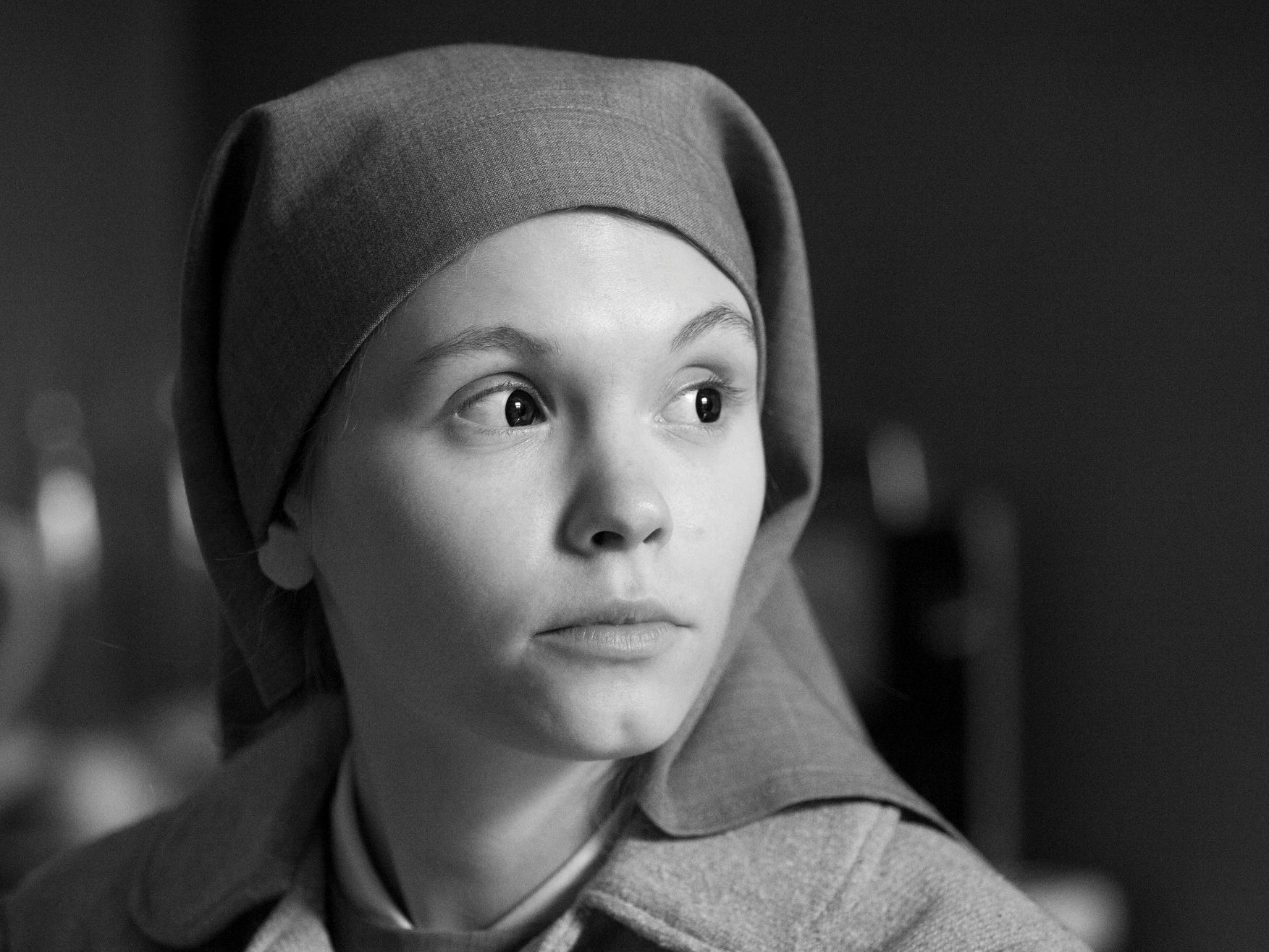
Ida is a truly exceptional film, a tour de force of performance, style, cinematography and storytelling. Uncovering the history of its titular character, a nun who undertakes a journey of self-discovery before taking her vows and pledging her life to God, this Polish work from Paweł Pawlikowski traverses the darker corners of 20th century history. On the brink of a cultural revolution in the 1960s, Ida must confront her own desires, family and her country’s own history in order to resolve her fragmented identity. With her Aunt Wanda as a guide, she begins to learn of a world outside the convent where she has lived her entire life, a world which she has never known.
 Notes from the Multiplex